Introduction
The criminal justice system has long been a topic of debate, especially concerning its handling of homicide cases. As society evolves, so too does the need for reform within this intricate legal framework. In recent years, discussions around criminal justice reform have gained momentum, highlighting systemic issues such as racial disparities, wrongful convictions, and the excessive use of incarceration. This article will explore the future of criminal justice reform and its impact on homicide cases, examining how changes in legislation, societal attitudes, and legal practices can reshape the landscape for defendants and victims alike.
The Future of Criminal Justice Reform and Its Impact on Homicide Cases
Criminal justice reform is not merely a buzzword; it represents a significant movement aimed at addressing flaws within the system. The concept encompasses various strategies designed to improve fairness, accountability, and effectiveness in dealing with crime—particularly violent crimes like homicide.
Understanding Homicide: Definitions and Classifications
Before diving into reforms, it’s essential to define what constitutes homicide. Generally speaking, homicide refers to the act of one individual causing the death of another. Within this broad category are several classifications:
- First-Degree Murder: Typically involves premeditation and intent. Second-Degree Murder: Often characterized by intent but without premeditation. Manslaughter: Can be voluntary or involuntary; it usually occurs in the heat of passion or due to reckless behavior.
Each classification carries different legal implications and penalties. Understanding these distinctions is crucial for both defendants facing murder charges and their defense attorneys.
Key Issues in Homicide Cases
Homicide cases often bring to light significant issues within the criminal justice system:
- Racial Disparities: Minority defendants frequently face harsher sentences compared to their white counterparts. Wrongful Convictions: Advances in forensic science have uncovered numerous wrongful convictions stemming from flawed evidence or prosecutorial misconduct.
These issues highlight an urgent need for reform that addresses not just punishment but also prevention and rehabilitation.
Historical Context: Evolution of Homicide Laws
To appreciate future reforms, we must consider how laws governing homicide have evolved over time. Historical perspectives reveal that societal norms significantly influence legal frameworks. For instance:
Early Common Law: Focused heavily on retribution rather than rehabilitation. 20th Century Reforms: Gradual shifts toward recognizing mental health considerations in sentencing.By studying these trends, we can better understand where reforms may lead us today.
Legislative Changes: A New Era for Homicide Cases?
Recent legislative efforts indicate a shift toward more humane treatment of defendants:
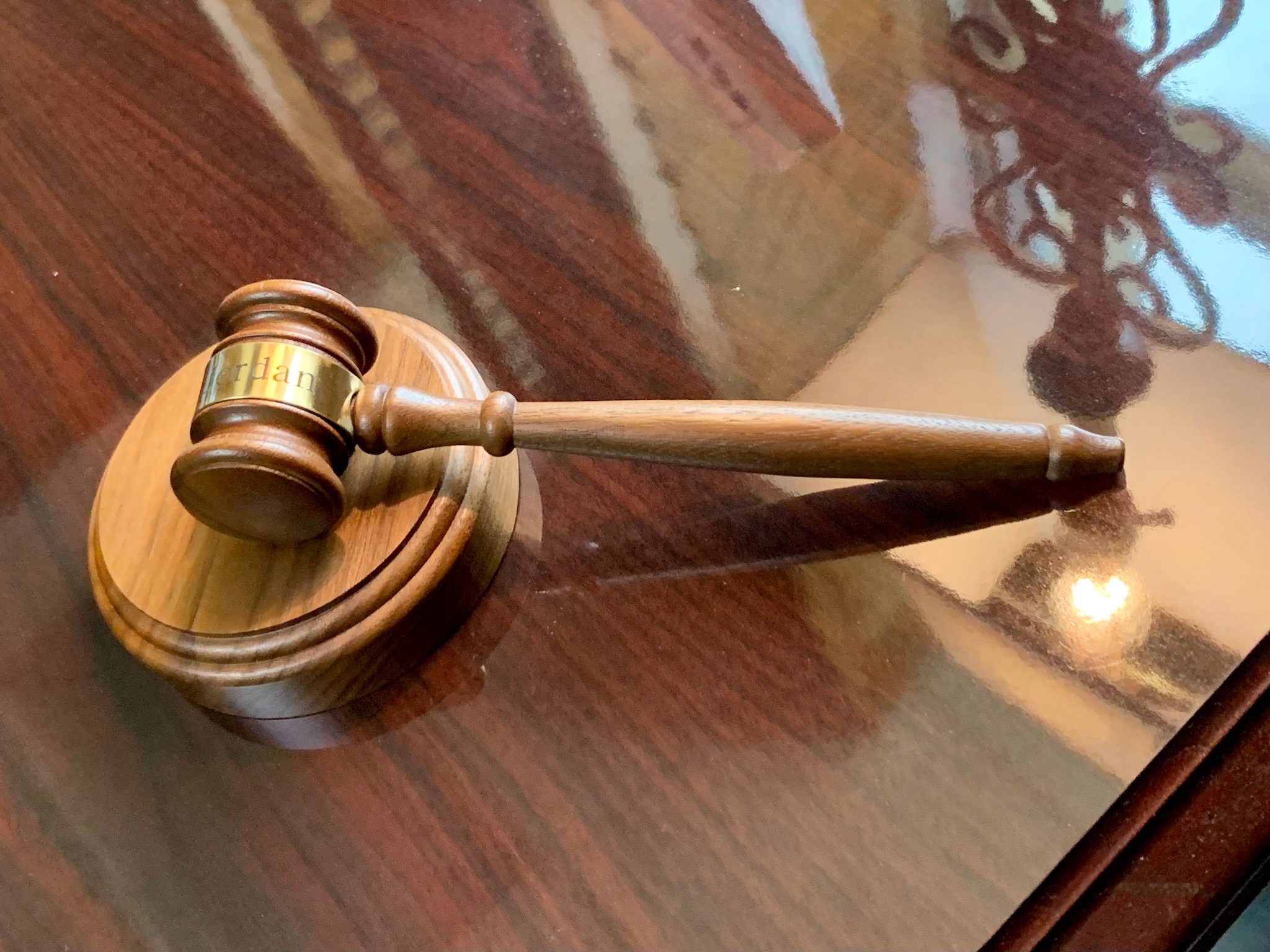
- Sentencing Reforms: Many states are revising minimum sentences for non-violent offenses. Decriminalization Efforts: Certain jurisdictions are reconsidering how they approach lesser homicide charges.
These changes aim to create a more equitable system that considers individual circumstances rather than applying blanket penalties.
The Role of Defense Attorneys in Reform
Defense attorneys play a pivotal role in advocating for reform within the criminal justice system. A skilled defense attorney can make a substantial difference in high-stakes situations involving homicide charges:
- They ensure that clients receive fair representation. They challenge injustices encountered throughout legal proceedings.
In Lubbock TX, hiring an experienced defense attorney specialized in murder cases (such as a Murder Defense Lawyer Lubbock TX) becomes crucial given the implications that come with serious charges like first-degree murder or manslaughter.
Trends in Public Opinion: Shaping Future Reforms
Public perception significantly influences legislative change. Increased awareness surrounding issues like police brutality and racial inequality has galvanized movements calling for comprehensive reforms. Surveys show:
- A growing majority supports initiatives aimed at reducing incarceration rates for non-violent offenses.
Such shifts indicate that future reforms may focus less on punitive measures and more on restorative practices.
Impact of Technology on Homicide Prosecutions
Advancements in technology are reshaping how homicide cases are prosecuted:
Forensic Science Improvements: Enhanced methods lead to more accurate determinations of guilt or innocence. Digital Evidence Collection: Text messages, social media interactions, and GPS data increasingly play roles in investigations.This technological evolution emphasizes the importance of robust legal representation—particularly from seasoned professionals like a Homicide Defense Attorney Lubbock who is adept at navigating complex digital evidence landscapes.
Mental Health Considerations in Homicide Cases
Mental health issues increasingly factor into discussions surrounding criminal responsibility:
- Defendants suffering from mental illness may receive alternative sentencing options instead of lengthy prison terms.
As society grows more aware of mental health's impact on behavior, reforms could pave the way for more compassionate approaches to punishment.
Community-Based Approaches: A Shift Toward Restorative Justice
Restorative justice focuses on repairing harm rather than simply punishing offenders. This approach fosters community involvement through dialogues between victims and offenders—an avenue ripe for exploration given its potential efficacy in reducing recidivism rates among violent offenders.
Examples of Community-Based Programs
Victim-Offender Mediation Family Group ConferencingThese programs hold promise but require systemic support from broader legislative initiatives aimed at implementing restorative practices nationwide.
Challenges Facing Criminal Justice Reform
While many advocate for change within the criminal justice system, several obstacles persist:
Resistance from established institutions Political polarization regarding crime-related policiesAddressing these challenges necessitates collaboration across party lines while prioritizing community engagement in shaping policy decisions related to homicide cases specifically.
FAQs About Criminal Justice Reform & Homicide Cases
1. What role does public opinion play in criminal justice reform?
Public opinion influences lawmakers significantly; rising concerns about systemic biases push politicians toward enacting changes reflecting constituents' values.
2. How do sentencing reforms affect homicide convictions?
Sentencing reforms aim to provide fairer outcomes based on individual circumstances rather than imposing harsh penalties uniformly across all cases—a critical factor when considering different degrees (first-degree vs second-degree) involved with homicides.
3. Why is mental health important when discussing homicide cases?
Mental health considerations promote understanding surrounding offenders' actions while offering paths toward rehabilitation instead solely focusing on punishment—a vital aspect during trials involving complex emotional states leading up to violent incidents!
4. Are there successful examples of restorative justice initiatives?
Yes! Various jurisdictions have implemented programs focusing explicitly on victim-offender mediation leading towards lower recidivism rates among participants—showcasing tangible benefits associated with embracing alternative approaches!
5. How does technology impact current investigations into homicides?
Technological advancements enhance investigative capabilities through improved forensic techniques—leading ultimately towards greater accuracy while minimizing wrongful convictions stemming earlier inadequacies!
6 . What should individuals do if facing murder charges?
It's essential first contact experienced local counsel specializing specifically within those realms (e.g., Murder Charges Lawyer Lubbock TX) allowing protection rights ensuring proper representation throughout proceedings ensuring fair trial process upheld regardless circumstances presented therein!
Conclusion
The landscape surrounding homicide cases is poised for transformation amidst ongoing discussions centered around criminal justice reform efforts nationwide—including those specific areas related particularly towards addressing biases inherent traditionally found both judicially legislatively! As advocates champion these necessary changes forward progress remains imperative ensuring individuals charged with serious offenses receive requisite protections while simultaneously fostering safer communities collectively working together promote healing resolutions Go to this site stemming tragic events witnessed far too often across society today!
In summary—the future holds much promise—provided continued dedication shared openly amongst stakeholders committed genuine progress aiming toward creating equitable systems benefiting everyone involved ultimately making strides positively impacting lives impacted throughout journey ahead!